
Leave Your Message

2026 Top Nitroxoline Storage Instructions Guide

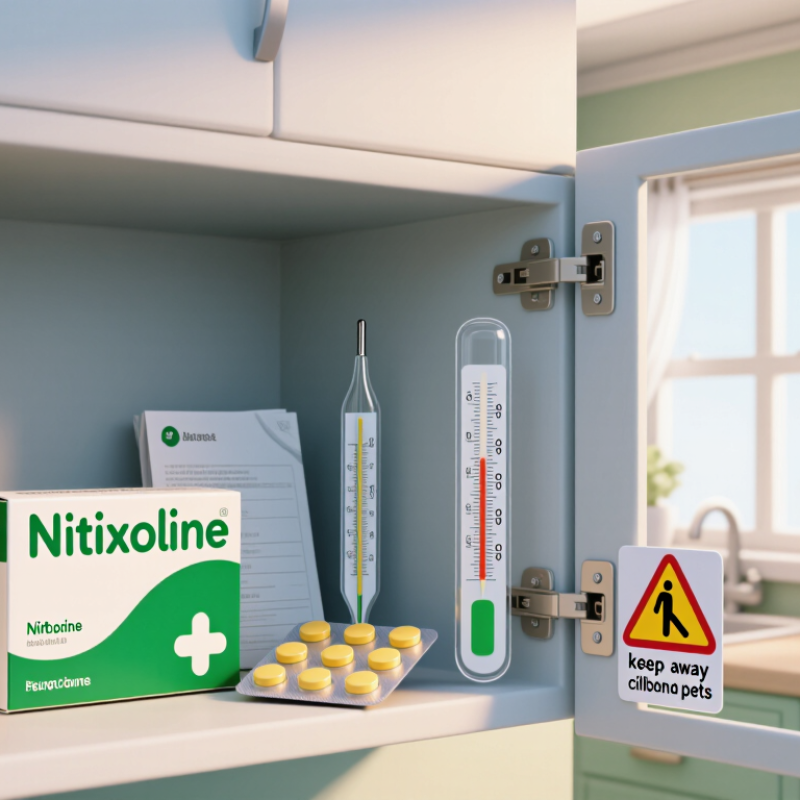
Nitroxoline Storage Instructions begin with a simple but important question: what does the specific product label say? Storage needs can vary by formulation and manufacturer, so advice for another medicine—or another Nitroxoline product—may not apply. Keep the carton and leaflet together. Check the stated temperature range, moisture warnings, and expiry date before choosing a storage place. A cool, dry cupboard may seem suitable, but heat near a radiator, steam beside a kettle, or direct sunlight on a windowsill can create avoidable risks.

Medication-safety expert Dr. Michael R. Cohen’s work supports a cautious principle: “Follow the storage directions for the exact product in hand.” This is a paraphrased takeaway, not a verbatim quotation. The guide explains how to read packaging, protect tablets from damp air, and handle travel without guessing. Keep medicine in its original container unless a pharmacist advises otherwise. Store it securely away from children and pets. Small details matter.

There are limits to general advice. If the label is missing, the package looks damaged, or the medicine has been exposed to unusual heat or moisture, ask a pharmacist before using it. Do not rely on appearance alone. This guide aims to make everyday storage clearer, while recognizing that product-specific instructions remain the most reliable reference. A careful pause can help.
2026 Top Nitroxoline Storage Instructions Guide

Confirm the Nitroxoline Product Label Before Using General Storage Standards

2026 Top Nitroxoline Storage Instructions Guide

Confirm the Nitroxoline Product Label Before Using General Storage Standards

Nitroxoline storage instructions can vary by product and packaging. Read the supplied label or patient leaflet before choosing a location. Follow its temperature range, light precautions, and any instructions about the original container. Do not assume that every tablet formulation has identical stability.

The ICH Q1A(R2) stability guideline describes pharmaceutical testing conditions, including accelerated testing at 40°C and 75% relative humidity. These are controlled testing conditions, not recommended home-storage settings. They do not establish a Nitroxoline product’s specific storage limits. A hot car, steamy bathroom, or sunny windowsill may expose medicine to conditions unlike those stated on its label. Keep the package closed and dry, and ask a pharmacist if the label is missing or unclear. Small detail, big difference.


Apply USP Controlled Room Temperature: 20–25°C, with 15–30°C Excursions

For nitroxoline, use USP Controlled Room Temperature as the reference: 20–25°C (68–77°F). Excursions between 15–30°C (59–86°F) may be acceptable under this standard, but that range is not a storage target. Avoid repeated or prolonged exposure to heat and cold. Keep the medicine in its original, tightly closed container, away from sunlight, radiators, and damp bathroom shelves. A dry indoor cupboard is usually more stable. Keep it dry.

A small room thermometer can help identify a persistently warm storage spot. Still, one reading is only a snapshot; temperature may change while you are away. Do not leave the container in a parked car, where conditions can shift quickly. Follow the product’s own package instructions if they give different directions, and do not refrigerate unless those instructions say to do so. If the medicine has been exposed to temperatures outside the stated range, ask a pharmacist whether it remains suitable to use. Changes in color or texture may be a warning, but normal appearance cannot confirm that storage was adequate.

Keep Nitroxoline in Its Original, Tightly Closed Packaging

Keep nitroxoline in its original, tightly closed packaging. The container helps protect the medicine and keeps its name, strength, expiry date, and storage directions close at hand. Close the cap fully after each use. A loose lid can let in moisture or dust. Small habit, real value.

Choose a cool, dry place away from direct sunlight and heat sources, and follow the storage instructions on the package or from a pharmacist. A bathroom cabinet may seem convenient, but steam and changing humidity can make it a poor choice. Keep the medicine out of children’s reach. Do not move tablets into an unlabelled jar or mix them with other medicines; labels are easy to lose, and memory is not always reliable.

I have found that “I’ll put it back later” is not a great storage plan.

If the packaging is damaged, the tablets look changed, or the directions are unclear, ask a pharmacist before using them. Do not refrigerate unless the product instructions specifically say to.

Check for Heat, Moisture, Light, and Packaging Damage Before Use

Before using nitroxoline, check its storage instructions on the package or patient leaflet. The recommended conditions can vary by product, so do not guess a temperature. Keep the medicine away from heaters, sunny windows, and hot cars. A bathroom cabinet may seem convenient, but steam and changing humidity can affect stored medicines. Choose a dry place instead.

Look closely at the carton, bottle, or blister pack. Check for torn seals, holes, damp spots, or crushed packaging. Make sure tablets are not visibly discolored, cracked, or unusually damp. Do not use medicine if the packaging is compromised or its appearance has changed. A normal appearance cannot confirm that it was stored correctly, either.

Check the expiry date, too. Keep nitroxoline in its original packaging when possible; it can help protect the medicine and keep its instructions nearby. If it has been exposed to strong heat or moisture, or you cannot tell whether the pack is damaged, ask a pharmacist before taking it. I might miss a tiny seal defect during a quick check. Slow down, especially if the packaging feels sticky or looks cloudy.

Follow the Label’s Expiry Date and Disposal Instructions

2026 Top Nitroxoline Storage Instructions Guide

Check the expiry date on the nitroxoline package before each course, not just when you first bring it home. The printed date tells you how long the medicine is expected to remain suitable when stored as directed. Keep the carton or patient leaflet, since storage conditions can vary by product. Keep it dry. Avoid leaving the pack in a hot car, beside a sink, or in direct sunlight. A bathroom cabinet may seem convenient, but steam and changing temperatures can affect medicines. It is an easy detail to overlook.

Do not use nitroxoline past its expiry date, even if the tablets look unchanged. Appearance cannot confirm that a medicine is still effective or safe. If the date is missing, unreadable, or unclear, ask a pharmacist before using it. Keep expired or unwanted medicine away from children and pets while arranging disposal. Do not flush it or pour it down a drain unless local instructions specifically say to do so. Disposal options differ by location, so check with a pharmacy or local waste service.

Tips: Keep the medicine in its original packaging, and store it exactly as the label directs. Check the date when tidying your medicine cabinet. Return unwanted tablets through an available pharmacy collection program, or follow local disposal guidance. If you are unsure, pause and ask. Small detail, big difference.

2026 Top Nitroxoline Storage Instructions Guide - Follow the Label’s Expiry Date and Disposal Instructions
Storage topic Practical instruction What to check
Storage temperature Store nitroxoline at the temperature stated on its own package or patient leaflet. Do not assume that every product has the same temperature limit. Look for the storage section on the carton or leaflet. Ask a pharmacist if the instructions are missing or unclear.
Moisture and heat Keep the medicine in the conditions specified by its label and avoid leaving it in places exposed to excessive heat or moisture. A bathroom, a hot car, or a spot near a heater may expose medicines to unsuitable conditions.
Original packaging Keep the medicine in its original packaging where practical, with the leaflet and expiry information available. Packaging helps identify the medicine and provides product-specific storage and expiry instructions.
Expiry date Do not use the medicine after the expiry date printed on the package. If the date is unreadable, check with a pharmacist before use. The stated expiry date applies when the medicine has been stored as directed.
After opening If the package gives a specific period or instruction after opening, follow it. Do not invent an in-use period when none is stated. Check the leaflet or ask a pharmacist whether opening changes the storage or use period for that particular pack.
Refrigeration Do not refrigerate or freeze nitroxoline unless the product’s label specifically instructs you to do so. Use the storage directions for the exact product and formulation you have.
Child safety Keep the medicine out of the sight and reach of children. Store it securely after each use.
Damaged or unusual medicine Do not use medicine if the packaging is damaged or the medicine looks different from its normal appearance. Seek advice from a pharmacist. Do not rely on appearance alone to determine whether medicine is safe to use.
Disposal Follow the disposal instructions in the leaflet and local guidance. If unsure, ask a pharmacist about an appropriate medicine take-back or disposal option. Do not flush medicine down the toilet or sink unless the product instructions or local authorities specifically direct you to do so.

Important: Storage conditions and disposal directions can vary by product and country. The package leaflet and label for your nitroxoline product take priority over this general guide.