How to Compare Nitroxoline and Other Antibiotics Effectively
In the evolving landscape of antibiotic treatment, understanding the differences between various agents is crucial for clinicians and patients alike. A prominent figure in the field, Dr. Anna Mitchell, a renowned microbiologist, emphasizes that “the effectiveness of antibiotics can vary significantly based on their mechanisms of action and the types of infections they target.” This quote highlights the importance of careful consideration when comparing antibiotics, particularly when it comes to Nitroxoline and its competitors.
Nitroxoline, a lesser-known but effective antibiotic, has gained attention for its unique properties in the fight against urinary tract infections. However, how does it stack up against other antibiotics in terms of effectiveness, side effects, and mechanisms of action? The comparison is not merely academic; it has real-world implications for treatment regimens and patient outcomes. This discussion aims to delve into "Nitroxoline Vs Other Antibiotics," providing valuable insights for healthcare professionals and patients seeking informed decisions about their antibiotic options.
By examining factors such as bacterial resistance, clinical efficacy, and side effect profiles, we will clarify the nuances of this comparison. Ultimately, our goal is to enhance understanding and facilitate optimal antibiotic use, ensuring that each patient receives the most appropriate treatment tailored to their unique needs.

Understanding Nitroxoline: Mechanism of Action and Uses
Nitroxoline is a synthetic antibiotic primarily used for the treatment of urinary tract infections (UTIs). It functions by inhibiting bacterial enzyme activity and disrupting DNA synthesis, effectively halting bacterial growth. According to the World Health Organization, UTIs account for approximately 150 million cases annually worldwide, highlighting the importance of effective treatments like nitroxoline in clinical settings.
Recent studies have established that nitroxoline possesses broad-spectrum antibacterial properties, exhibiting efficacy against both Gram-positive and Gram-negative bacteria. A report from the Journal of Antimicrobial Chemotherapy reveals that nitroxoline shows higher activity against certain strains of E. coli when compared to traditional antibiotics, reducing the incidence of antibiotic resistance, which has become a critical concern in modern medicine. This positions nitroxoline as a viable alternative in UTI management, particularly for patients who may not respond to conventional antibiotics.
By understanding the mechanism of action and clinical applications of nitroxoline, healthcare providers can better navigate antibiotic treatment options and improve patient outcomes.
Comparative Analysis: Nitroxoline vs. Common Antibiotics
Nitroxoline is a nitroquinoline derivative known for its effectiveness against certain bacterial infections, particularly those affecting the urinary tract. When comparing Nitroxoline to common antibiotics such as amoxicillin, ciprofloxacin, and trimethoprim, it is essential to consider their mechanisms of action, spectrum of activity, and side effect profiles. Nitroxoline acts by inhibiting bacterial DNA synthesis, allowing it to target specific pathogens that may be resistant to other antibiotics. This specificity can make it a valuable option in treating infections where traditional antibiotics fail.
Furthermore, while Nitroxoline has a narrower spectrum compared to broad-spectrum antibiotics like ciprofloxacin, its targeted action can lead to fewer disturbances in the patient's microbiome. Additionally, side effects associated with Nitroxoline are generally mild, with gastrointestinal discomfort being the most reported. In contrast, common antibiotics may exhibit a range of side effects, including serious allergic reactions or the risk of developing antibiotic resistance with overuse. Therefore, understanding these differences is crucial for effective antibiotic stewardship and ensuring appropriate treatment choices for bacterial infections.
Efficacy and Side Effects: Nitroxoline in Context
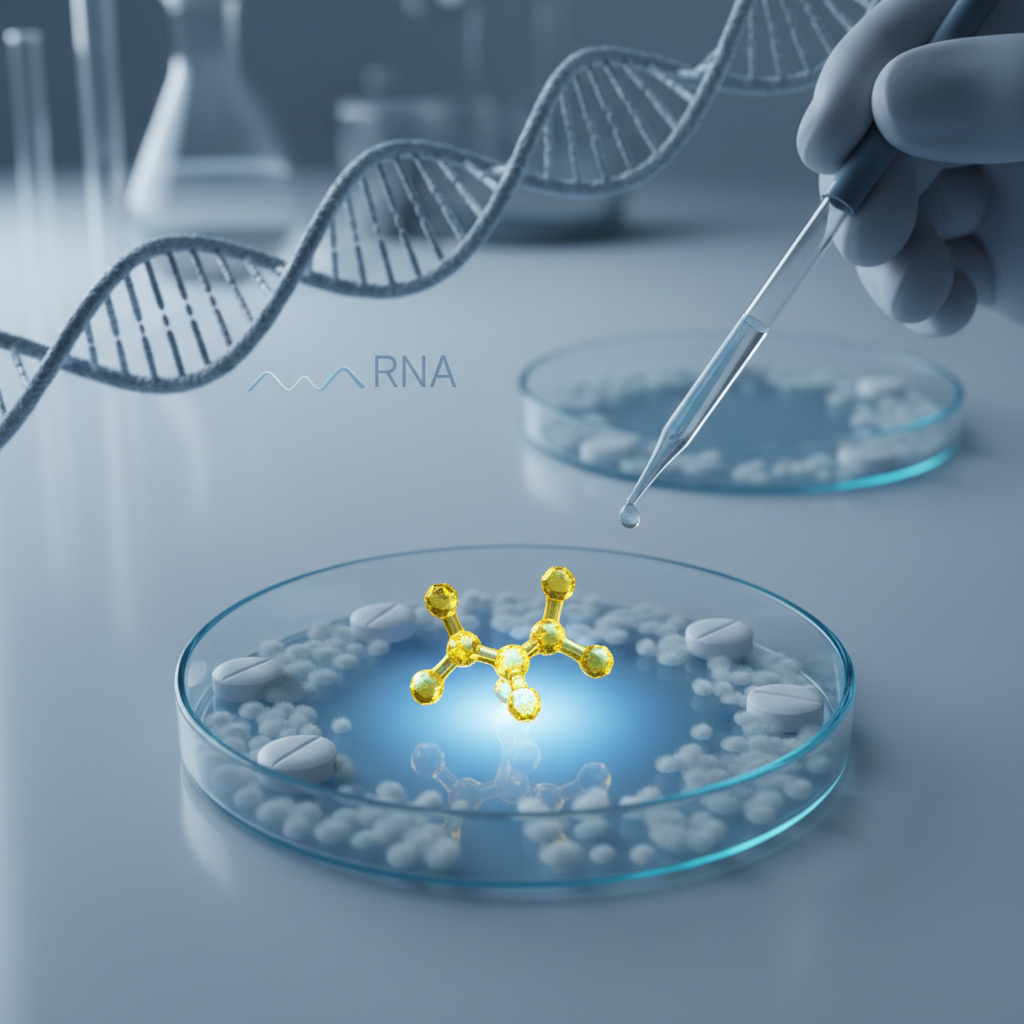
Nitroxoline, an antibiotic with a unique chemical structure, is primarily used to treat urinary tract infections. Its efficacy stems from its ability to inhibit bacterial growth by interfering with DNA and RNA synthesis.
When comparing Nitroxoline with other antibiotics, it's crucial to consider not only its effectiveness but also the spectrum of bacteria it targets. Many conventional antibiotics may have a broader action but can lead to further complications, such as antibiotic resistance.
Thus, understanding Nitroxoline's specific role can provide insights into its use in particular clinical scenarios, especially for patients with resistant bacterial strains.
In addition to its therapeutic benefits, the side effects of Nitroxoline present an essential aspect of its profile. Commonly reported side effects include gastrointestinal disturbances and skin reactions, which, although generally mild, can impact patient adherence to treatment.
In comparison, other antibiotics may have more severe adverse effects, such as neurotoxicity or significant interactions with other medications. Therefore, evaluating the side effect profile alongside efficacy helps in making informed treatment decisions.
Clinicians need to weigh these factors and select the most appropriate antibiotic tailored to the patient’s needs, considering both the effectiveness against the infection and the potential risks involved.
Dosage and Administration: Best Practices for Antibiotic Use

When it comes to the effective use of antibiotics such as Nitroxoline, understanding dosage and administration practices is crucial. According to a report from the World Health Organization, inappropriate antibiotic use can lead to resistance, prompting the need for carefully defined dosing protocols. For Nitroxoline, the typical dosage for urinary tract infections ranges from 600 mg to 800 mg per day, divided into two or three doses. Ensuring adherence to these dosages maximizes its efficacy while minimizing potential side effects, which can include gastrointestinal discomfort.
Furthermore, timing and method of administration can significantly impact the drug's effectiveness. Clinical studies have shown that taking Nitroxoline with food enhances its absorption, which is vital for achieving therapeutic levels in the urine. A comprehensive analysis published in the Journal of Antimicrobial Chemotherapy highlighted that maintaining consistent dosing intervals is essential in preventing peaks and troughs that could compromise treatment outcomes. As healthcare providers increasingly recognize the importance of proper antibiotic stewardship, adopting best practices for drug administration not only enhances patient care but also contributes to the broader effort of combating antibiotic resistance.
Resistance Patterns: How Nitroxoline Compares to Alternatives
Nitroxoline, an antibiotic frequently used for urinary tract infections, has gained attention for its effectiveness against certain resistant bacterial strains. Recent studies show that resistance patterns to common antibiotics are becoming increasingly prevalent, which raises concerns about their efficacy in treating infections. According to a 2022 report by the World Health Organization, nearly 700,000 deaths annually are attributed to antibiotic-resistant infections, underscoring the urgent need for effective alternatives like Nitroxoline.
When comparing Nitroxoline to traditional antibiotics such as ciprofloxacin and amoxicillin, it is crucial to analyze their resistance profiles. Research published in the Journal of Antimicrobial Chemotherapy revealed that Nitroxoline exhibited a significantly lower resistance rate (around 18%) compared to ciprofloxacin, which had resistance rates approaching 30% in certain regions. Furthermore, a multicenter study indicated that Nitroxoline maintains its effectiveness against Escherichia coli strains, which have shown alarming resistance to commonly used antibiotics. This positions Nitroxoline as a promising option in the face of rising antibiotic resistance, particularly for patients with recurrent urinary tract infections.








 Phone
Phone Send Email
 whatsapp