Why Are Urinary Tract Infection Drugs Essential for Effective Treatment?
Urinary tract infections (UTIs) are a common yet significant health issue affecting millions. Effective treatment often hinges on the use of Urinary Tract Infection Drugs. These medications play a crucial role in alleviating symptoms and eradicating the underlying bacterial infection. Without prompt and adequate treatment, UTIs can lead to more severe complications, including kidney infections.
Understanding the necessity of Urinary Tract Infection Drugs is essential for both patients and healthcare providers. While some may think hydration and natural remedies suffice, studies show that antibiotics are often required for full recovery. The right drugs can rapidly control discomfort and help restore normal function. However, over-reliance on antibiotics may pose its own risks, such as antibiotic resistance.
Education about UTIs and their treatment options should not be overlooked. Both patients and practitioners need to approach this topic with awareness and caution. Reflecting on the importance of appropriate drug use ensures a safer path to recovery, highlighting the need for informed treatment decisions.
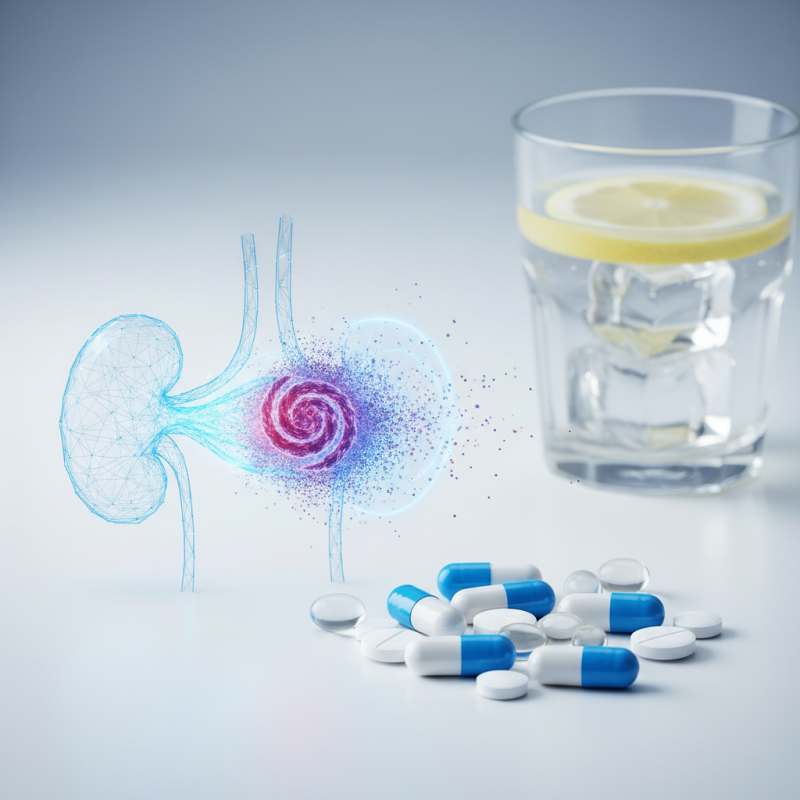
Understanding Urinary Tract Infections and Their Causes
Urinary tract infections (UTIs) are common yet often overlooked. They occur when bacteria enter the urinary system. This can lead to painful symptoms like burning during urination or frequent urges to go. Understanding the causes is crucial for prevention. Factors include poor hydration, improper hygiene, and certain health conditions.
Not everyone experiences the same symptoms. Some may feel pressure or discomfort in the lower abdomen. Others may notice cloudy or foul-smelling urine. Knowing these signs allows for timely intervention. Self-diagnosis can be risky. Seeking medical advice ensures accurate treatment.
Antibiotics play a key role in managing UTIs. They help eliminate the infection but can sometimes cause side effects. A reliance on medications could lead to antibiotic resistance. This highlights the importance of preventive measures. Staying hydrated and practicing good hygiene can reduce the risk significantly. Awareness and proactive steps are essential in combating UTIs effectively.
The Role of Antimicrobial Agents in Treating UTIs
Urinary tract infections (UTIs) are a common health issue, affecting millions each year. Antimicrobial agents play a vital role in treating these infections. According to the CDC, over 10 million medical visits occur annually due to UTIs. Effective treatment is essential to alleviate symptoms and prevent complications.
Antimicrobials, like antibiotics, target the bacteria causing the infection. A report by the World Health Organization indicates that resistance to common antibiotics has risen sharply. Some strains of E. coli, responsible for many UTIs, show resistance rates exceeding 50%. This reality forces healthcare providers to reconsider treatment options frequently.
Patients often desire quick fixes for UTIs. However, reliance on these drugs without proper prescription can lead to misuse and resistance. An estimated 20-30% of UTI patients receive unnecessary prescriptions. This misuse not only fails to resolve the issue but also complicates future treatments. Understanding the careful balance of using antimicrobial agents is crucial. Effective treatment must be tailored to individual needs, addressing both immediate symptoms and long-term health.
Importance of Antimicrobial Agents in Treating Urinary Tract Infections (UTIs)
This chart illustrates the effectiveness rates of various antimicrobial agents in treating urinary tract infections (UTIs). Antimicrobial medications are essential for successfully alleviating UTI symptoms and preventing recurrence, making understanding their effectiveness crucial for treatment decisions.
Mechanisms of Action: How UTI Drugs Combat Infections
Urinary tract infections (UTIs) impact millions worldwide, necessitating effective drug treatments. UTI medications work by targeting specific bacteria responsible for the infection. These drugs, mainly antibiotics, block bacterial reproduction and promote cell death. Reports from the Centers for Disease Control and Prevention highlight that antibiotics led to a 70% decrease in UTI recurrence rates when properly prescribed.
The mechanisms of action in UTI drugs are diverse. Some antibiotics, like nitrofurantoin, penetrate bacterial cells and disrupt their enzyme systems. Others, including trimethoprim-sulfamethoxazole, inhibit folic acid synthesis, essential for bacterial growth. A study published in the Journal of Urology reported that these drugs can reduce symptoms significantly within 48 hours. However, antibiotic resistance poses challenges, with up to 25% of E. coli strains now resistant to commonly used treatments.
It's vital to consider patient-specific factors when prescribing these medications. Individual responses can vary, leading to treatment failures. Rate of adherence to medication can significantly affect outcomes. Experts suggest that regular follow-ups and resistance testing are critical steps in effective UTI management. Understanding the mechanisms behind these drugs enhances treatment strategies and patient care.
Essential Considerations for UTI Drug Selection
Selecting the right drugs for urinary tract infections (UTIs) is crucial for effective treatment. Each UTI case is unique, influenced by factors such as patient history and bacterial resistance. An essential consideration is understanding the specific bacteria causing the infection. Identifying the pathogen helps healthcare providers choose the most effective antibiotic.
Another vital factor is patient allergies and tolerance. Some individuals may react negatively to common treatments. Reviewing medical history is vital to avoid adverse reactions. Effectiveness must be balanced with potential side effects. Additionally, the drug's ability to penetrate the urinary tract is important. Medications should target the infection site for optimal effectiveness.
While there are standard treatments, they may not suit everyone. Some patients may show resistance even to first-line drugs. Continuous monitoring is necessary to ensure the chosen treatment works. Adjustments might be needed based on follow-up tests and patient feedback.
चिकित्सक应该保持灵活性 in treatment approaches to find the best possible outcome. Recognizing the individuality of each case can lead to better patient experiences and improved care.
Potential Risks and Side Effects of UTI Medications
Urinary tract infection (UTI) medications are key in managing infections. However, these drugs can carry potential risks and side effects that warrant attention. Common side effects include nausea, diarrhea, and allergic reactions. Some patients may experience dizziness or headaches after taking these medications. It’s crucial for individuals to stay informed about their treatment.
In some cases, persistent or severe side effects can lead to discontinuation of medication. This can hinder effective treatment. Long-term use of certain antibiotics can also lead to antibiotic resistance. This phenomenon poses a significant public health concern. Patients should discuss any existing health conditions with their healthcare provider. This ensures that the chosen medication is appropriate.
Healthcare professionals must weigh the benefits against the risks associated with UTI medications. It’s vital to monitor symptoms and side effects closely. Adjustments to the treatment plan may be needed if issues arise. Awareness of potential side effects can help patients make informed decisions. They can actively engage in their treatment process.
Why Are Urinary Tract Infection Drugs Essential for Effective Treatment? - Potential Risks and Side Effects of UTI Medications
| Medication Type |
Common Uses |
Potential Risks |
Possible Side Effects |
Notes |
| Antibiotics |
Treating bacterial UTIs |
Antibiotic resistance |
Nausea, diarrhea |
Important for preventing recurrent infections |
| Analgesics |
Pain relief |
Risk of overdose |
Dizziness, headaches |
Used to alleviate pain during treatment |
| Antiseptics |
Preventing infection |
Possible allergic reactions |
Skin irritation, rash |
Used alongside antibiotics for efficiency |
| Probiotics |
Restoring healthy bacteria |
Limited research on efficacy |
Gas, bloating |
May help balance gut flora after antibiotics |






 Phone
Phone Send Email
 whatsapp