Nitroxoline is an antimicrobial medicine used in some countries to treat urinary tract infections. It is not a standard cancer treatment. Interest in its possible anticancer effects comes from laboratory research, where scientists have examined how it interacts with metal ions and affects processes that help certain cancer cells grow. A promising mechanism can raise useful questions. It cannot, by itself, show that a medicine treats cancer in people.
The phrase Anticancer Benefits Of Nitroxoline may sound conclusive, but the evidence needs careful reading. Researchers have studied nitroxoline in cell and other preclinical models, including its effects on cancer-related enzymes and cell growth. These findings may help guide future research. They do not establish an effective dose, prove safety alongside cancer therapies, or show improved patient outcomes. That distinction matters. A result in a dish is not a clinical benefit.
This overview will explain what nitroxoline is, why researchers are investigating it, and what current evidence can—and cannot—tell us. It will also consider safety questions and the limits of repurposing an existing medicine. Some details remain uncertain, and that deserves to be said plainly. Anyone considering treatment should discuss options with a qualified healthcare professional, rather than starting or stopping medication based on early research.
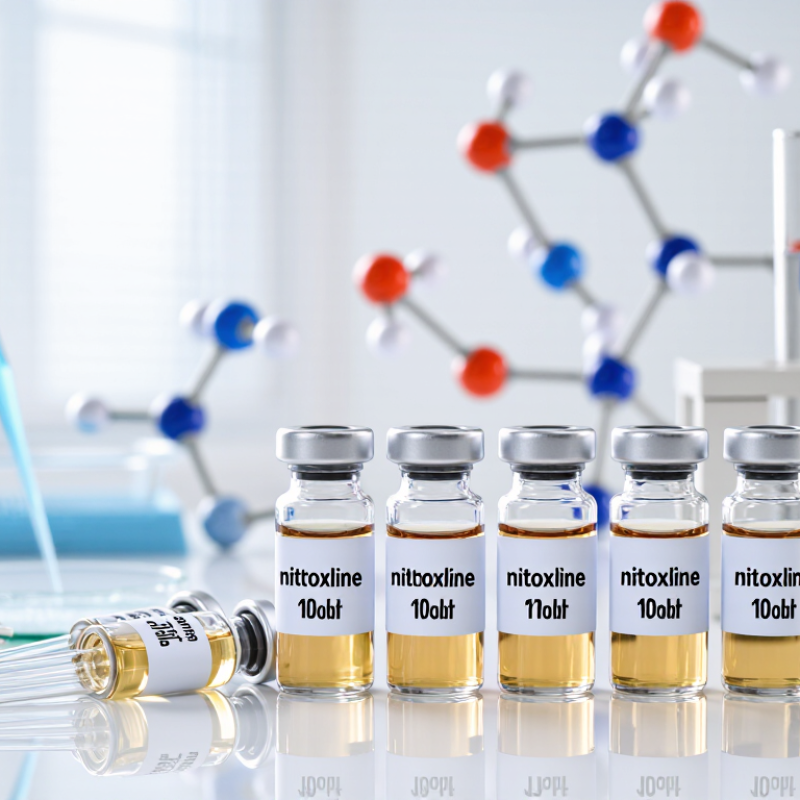
Nitroxoline is a synthetic antimicrobial medicine in the hydroxyquinoline family. It has been used in some countries to treat certain urinary tract infections caused by susceptible bacteria. The medicine is taken by mouth and is cleared into the urine, where it can act against microbes in the urinary tract. Availability and approved uses differ by country.
Treatment should be guided by a qualified healthcare professional. They may consider symptoms, urine test results, medical history, and local recommendations when deciding whether nitroxoline is appropriate. Take it only as directed, and ask a clinician or pharmacist about missed doses, side effects, or possible interactions. Do not use leftover tablets for a new episode of urinary symptoms. Small details matter.
Nitroxoline is also being studied for possible anticancer effects, but laboratory findings do not show that it treats cancer in people. It is not a substitute for established cancer care. The research is intriguing, yet the evidence remains limited; that distinction can be easy to overlook. For persistent fever, back or side pain, or worsening urinary symptoms, seek prompt medical advice rather than relying on self-treatment.

Nitroxoline is an antimicrobial medicine used in some countries for urinary tract infections. After a dose, the body absorbs it and sends much of it into the urine. This creates exposure in the urinary tract, where the drug can interfere with metal-dependent processes in bacteria. It binds ions such as iron and zinc, which bacteria need for certain enzymes and other functions. It may also affect bacterial attachment and biofilm formation. The exact contribution of each mechanism is not fully settled. That matters.
Cancer research asks whether metal binding could also disrupt processes that help tumor cells grow. In laboratory studies, nitroxoline has affected cancer-related enzymes and pathways, including some linked to blood-vessel growth. But cells in a dish are not a person. Results from experiments do not show that the medicine treats cancer in patients, and the doses or drug levels used in research may not match safe human exposure. Its anticancer effects remain investigational. Anyone considering it for cancer should speak with an oncology professional; it is not a proven substitute for established treatment. The evidence is incomplete, and that should stay clear.
Nitroxoline is an older antibacterial drug, but researchers have also examined its effects on cancer-related processes. IARC’s Global Cancer Observatory estimated 20 million new cancer cases and 9.7 million cancer deaths worldwide in 2022. That scale supports careful research into existing medicines. It does not make a laboratory finding a treatment.
The strongest anticancer signals remain preclinical. A peer-reviewed study reported that nitroxoline can inhibit methionine aminopeptidase 2, a target involved in blood-vessel formation. In cell and animal models, researchers observed reduced angiogenesis and slower tumor growth. These findings suggest a possible biological effect, not proven benefit for patients. The distinction matters. IARC’s figures describe cancer burden, not nitroxoline outcomes. Human studies have not established that nitroxoline treats cancer, improves survival, or is safe at doses intended for anticancer use. Its history as an antibacterial medicine cannot answer those questions. The evidence is intriguing, but still thin. Modest laboratory results can fail in people, and that possibility deserves more attention than hopeful headlines.
Nitroxoline is an antimicrobial medicine, but its possible anticancer effects remain under investigation. Most encouraging findings come from laboratory studies, where cells are exposed to controlled doses. That is not the same as showing that a treatment helps people live longer or feel better. Evidence remains thin.
Side effects may include nausea, stomach discomfort, headache, dizziness, or skin reactions. The exact risks can vary with dose, health conditions, and other medicines. A new rash, swelling, or trouble breathing needs prompt medical attention. People with kidney or liver problems should discuss nitroxoline with a clinician before use. The safety picture is still incomplete, especially for prolonged use alongside cancer treatments.
There are practical limits, too. A laboratory dose may not be safe or achievable in the human body, and early research cannot establish an effective cancer dose. Drug interactions and effects on treatment response also need careful study. That uncertainty matters. Anyone considering nitroxoline for cancer should speak with their oncology team and should not replace prescribed care with an unproven approach. A clinician can review current medicines, relevant medical history, and whether a monitored clinical study is appropriate.
How to read the chart: “Yes” means the evidence or status is reported; “No” means it is not established. Anticancer findings for nitroxoline are preclinical, not proof that it treats cancer in people. It is an antimicrobial used for urinary tract infections in some countries, not an established cancer treatment.
Reported side effects can include nausea, vomiting, stomach discomfort, and skin reactions. Its safety and interactions at experimental anticancer doses are not well defined. Do not use nitroxoline to treat cancer outside a clinical study.
Nitroxoline is an older antimicrobial medicine, but cancer researchers have also examined it as a possible drug-repurposing candidate. The work remains early. Laboratory studies have reported effects on cancer-cell growth and on biological processes involving metal ions and cell survival. These findings help researchers form questions; they do not show that the medicine treats cancer in people.
The current evidence is not strong enough to support nitroxoline as a cancer therapy. Cell experiments can use conditions that differ greatly from the human body, and results may not translate into safe, useful treatment. Clinical evidence is limited, and nitroxoline is not an established or approved cancer treatment. That distinction matters. A promising signal in a dish is not a patient benefit.
Researchers would need well-designed human studies to assess dose, safety, interactions, and whether any cancer responds. Antibiotics can cause side effects and may interact with other medicines, so taking nitroxoline without medical guidance is not a sensible experiment. There is still uncertainty here. Even the mechanisms reported in early studies need careful confirmation. Anyone considering treatment should discuss evidence-based options with an oncology professional, rather than replacing or delaying standard care.