Why Is Nitroxoline Considered for Cancer Therapy?
Nitroxoline In Cancer Therapy has drawn attention in recent years. This medication, traditionally used for urinary tract infections, shows promise in the oncology field. Researchers are investigating its potential effects on cancer cells.
Studies reveal that Nitroxoline may inhibit cancer cell growth. It targets specific pathways involved in tumor progression. Some preliminary results are promising, but more research is needed. The mechanisms remain partially understood, which is a limitation.
The exploration of Nitroxoline in cancer therapy is just beginning. Challenges include determining effective dosages and understanding side effects. While the initial findings excite many, caution is needed. Potential benefits must outweigh risks.
The Historical Use of Nitroxoline in Medical Treatments
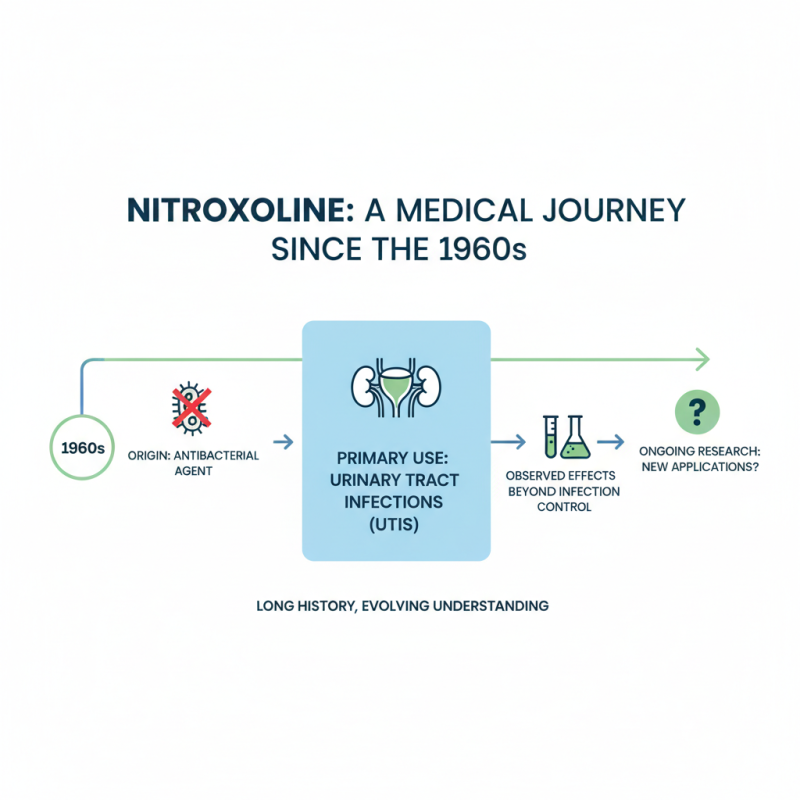
Nitroxoline has a long history in medical treatments. Originally used as an antibacterial agent, it gained attention for its effectiveness against urinary tract infections. Studies indicate that it was first introduced in the 1960s. During that time, clinicians observed its interesting effects beyond mere infection control.
Recently, research has surfaced suggesting nitroxoline may hold potential in cancer therapy. A report by the European Journal of Pharmacology highlights its ability to affect cell proliferation. In laboratory settings, it has shown promise in inhibiting the growth of specific cancer cell lines. This unexpected property raises questions about its role in oncology. Should we reconsider nitroxoline as more than just an old antibiotic?
The transition from a niche urinary medication to a candidate in cancer treatment is intriguing. However, data is still limited. Despite its historical use, many are cautious. More extensive clinical trials are necessary to fully understand its efficacy in oncology. As we pursue new cancer therapies, medications like nitroxoline could offer valuable insights.
Mechanisms of Action: How Nitroxoline Affects Cancer Cells
Nitroxoline has emerged as a potential player in cancer therapy. Its ability to impact cancer cells is drawing interest from researchers. But what are the mechanisms behind its actions? Understanding this can open new avenues for treatment.
Nitroxoline affects cancer cells by altering their metabolism. It disrupts the production of essential nucleotides. This disruption makes it difficult for cancer cells to replicate and spread. Additionally, the compound shows promising anti-inflammatory properties. This role could reduce the tumor microenvironment's support for cancer growth.
Another intriguing aspect is nitroxoline's influence on autophagy. It appears to encourage cancer cells to break down their components. This process can lead to cell death, which is a desirable outcome in cancer treatment. However, the research is still at early stages. More studies are necessary to fully grasp its effectiveness and safety. The path is promising, yet uncertain. Researchers must approach this area critically and thoughtfully.
Research Studies Evaluating Nitroxoline's Efficacy in Oncology
Nitroxoline has emerged as a candidate for cancer therapy in recent studies. Research shows its potential to inhibit specific cellular pathways. These pathways are crucial for cancer cell growth and survival. While initial findings are promising, they also present questions.
Some studies reveal that nitroxoline can enhance the effectiveness of certain treatments. It may sensitize cancer cells to chemotherapy. However, not all data supports this. Some trials yield mixed results, raising doubts. The variability in patient responses complicates predictions about efficacy.
Further research is essential to clarify nitroxoline's role in oncology. Many factors can influence outcomes, including dosage and treatment regimens. Addressing these complexities will help in understanding its true potential. There’s a long way to go before nitroxoline becomes a staple in cancer therapy.
Effectiveness of Nitroxoline in Cancer Therapy
Potential Advantages and Limitations of Nitroxoline in Cancer Therapy
Nitroxoline has gained attention for its potential role in cancer therapy. This drug, traditionally used for urinary infections, exhibits properties that may inhibit cancer cell proliferation. Research suggests that nitroxoline can target specific pathways involved in tumor growth, making it an attractive candidate for further investigation.
However, its use in cancer treatment is not without limitations. The effectiveness of nitroxoline can vary based on cancer types. Moreover, the mechanism of action is not entirely understood. Some studies point to the possibility of resistance developing in certain cancer cells. Additionally, side effects may arise, potentially impacting patient quality of life.
The existing data calls for a cautious approach. Although nitroxoline shows promise, more clinical trials are necessary to evaluate its efficacy and safety. It is crucial to reflect on these considerations while exploring nitroxoline's role in cancer therapy comprehensively.
Future Directions for Nitroxoline in Cancer Treatment Research
Nitroxoline has emerged as a compelling candidate for cancer treatment. Recent studies suggest it may possess anti-cancer properties. For instance, a study published in Cancer Research highlighted its ability to inhibit tumor growth in laboratory settings. This is impressive, but the precise mechanisms remain unclear. Researchers are working to unravel them.
Future directions for Nitroxoline research are vital. Notably, clinical trials are needed to evaluate its effectiveness in diverse cancer types. A recent report from the National Cancer Institute indicates that drug repurposing could accelerate treatment availability. This approach is cost-effective. However, not all findings have been consistent. Some studies show limited efficacy, prompting further investigations.
The support for Nitroxoline isn’t universal. Detractors argue more extensive research is necessary. Questions linger about its long-term impacts. A balanced view is essential. Understanding how Nitroxoline interacts at the cellular level will shape future studies. As exploration continues, there’s hope but also caution in the air. Continued research could open new avenues for cancer therapy.




 Phone
Phone Send Email
 whatsapp