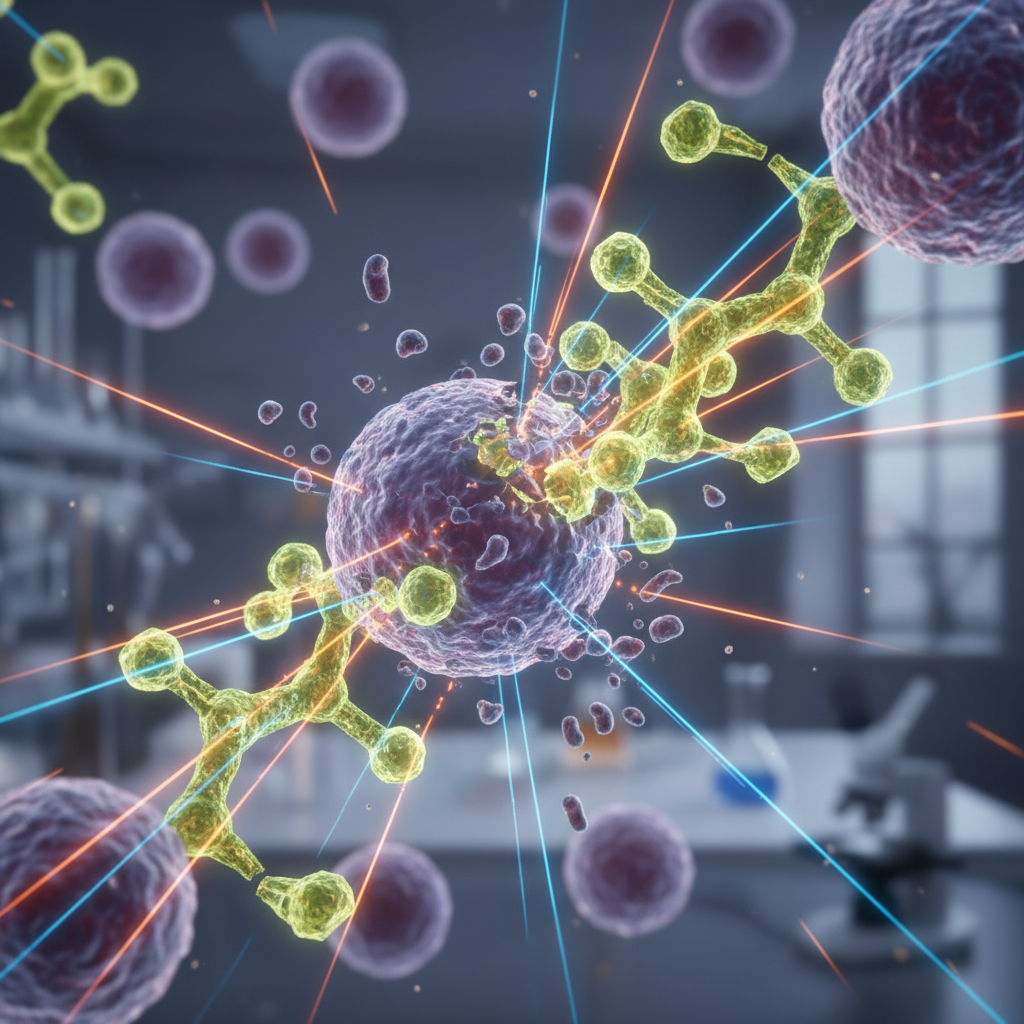
Nitroxoline: A Promising Agent for Cancer Cell Inhibition and Treatment
In recent years, the exploration of novel therapeutic agents has garnered significant attention in the realm of oncology. Among these agents, Nitroxoline has emerged as a promising compound in the fight against cancer. Research indicates that Nitroxoline, traditionally used as an antimicrobial, exhibits remarkable potential in cancer cell inhibition. Dr. Emily Richards, a leading expert in cancer pharmacology, asserts, “The multifaceted mechanism of Nitroxoline opens new avenues for targeted cancer therapies, highlighting its role in cancer cell inhibition beyond its initial use.”
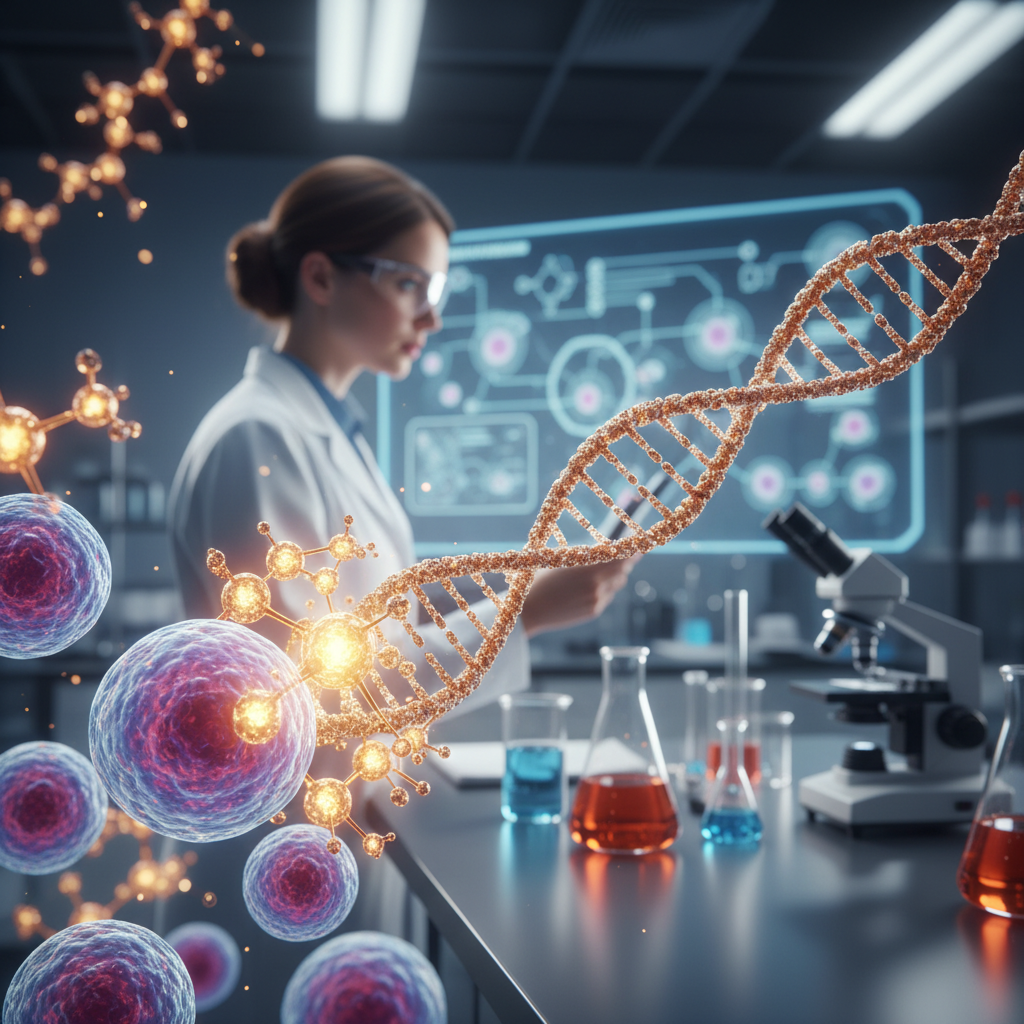
The increasing interest in Nitroxoline and its implications for cancer treatment reflects a broader trend in the medical community towards repurposing existing drugs for new indications. As scientists delve deeper into the molecular pathways influenced by Nitroxoline, its efficacy in impeding cancer cell proliferation becomes increasingly evident. Dr. Richards further emphasizes, “Understanding Nitroxoline's interaction with cancer cells could significantly alter our approach to treatment protocols, providing a robust framework for future clinical applications.”
As such, the research into Nitroxoline and cancer cell inhibition not only promises to reshape therapeutic strategies but also aims to enhance patient outcomes in oncology. The exploration of this compound opens up a landscape ripe for investigation, indicating that the intersection of established medication and modern oncological challenges may lead to breakthrough treatments in the coming years.
Mechanism of Action: How Nitroxoline Inhibits Cancer Cell Proliferation
Nitroxoline has emerged as a promising candidate in the search for effective cancer therapies due to its unique mechanism of action. Primarily known for its use as an antimicrobial agent, recent studies have revealed that Nitroxoline exhibits properties that inhibit the proliferation of cancer cells. At the molecular level, Nitroxoline interacts with various biological pathways, including the regulation of cell cycle progression and apoptosis. This dual action effectively curtails the uncontrolled growth of malignant cells, marking it as a significant target for cancer treatment.
One of the key mechanisms through which Nitroxoline exerts its anti-cancer effects is by disrupting cellular signaling pathways crucial for tumor growth. It is believed to inhibit certain metal ion-dependent enzymes, which are often upregulated in cancer cells and play a pivotal role in their proliferation. By chelating metal ions, Nitroxoline impairs the activity of these enzymes, leading to increased oxidative stress and subsequent programmed cell death. Additionally, Nitroxoline has shown potential in enhancing the efficacy of existing chemotherapy agents, suggesting that it could be a valuable adjunct in cancer treatment protocols. Further research into its efficacy and application may pave the way for novel therapeutic strategies in oncology.
Potential Synergistic Effects of Nitroxoline with Other Cancer Treatments
Nitroxoline, a compound originally used as an antibiotic, is gaining traction in cancer research due to its potential to inhibit cancer cell proliferation. Recent studies suggest that when used alongside conventional cancer treatments, Nitroxoline may enhance the effectiveness of therapies such as chemotherapy and radiation. The ability of Nitroxoline to inhibit certain cellular pathways, combined with its existing therapeutic roles, suggests a promising avenue for creating more effective treatment protocols for patients.
Tips: When considering the integration of Nitroxoline into treatment plans, it's essential to consult with healthcare professionals who can assess individual cases. Always discuss potential drug interactions, as Nitroxoline may amplify the efficacy or toxicity of certain chemotherapeutic agents.
Emerging evidence underscores Nitroxoline’s capacity to induce apoptosis in cancer cells, while also reducing the potential for resistance that often limits the success of standard treatments. This synergistic potential may pave the way for groundbreaking strategies aimed at enhancing the overall response rates among cancer patients, offering hope for improved outcomes. Engaging in clinical trials that explore these combinations could provide valuable insights into optimizing treatment regimens.
Clinical Trials and Research Advances in Nitroxoline for Oncological Applications
Recent clinical trials and research have highlighted the potential of nitroxoline as a novel therapeutic agent in the field of oncology. Originally developed as an antibiotic, nitroxoline has exhibited promising anti-cancer properties, leading to an increased interest in its application for tumor treatment. Studies have shown that nitroxoline can inhibit cancer cell proliferation and induce apoptosis in various cancer cell lines. Furthermore, its ability to interfere with multiple cellular pathways presents a multifaceted approach to cancer therapy, making it an appealing candidate for further exploration.
Research advances have focused on elucidating the mechanisms by which nitroxoline exerts its anticancer effects. Notable findings suggest that nitroxoline's interaction with metalloproteinases and its role in disrupting cellular homeostasis contribute significantly to its efficacy against cancer cells. Ongoing clinical trials are aimed at assessing the safety and effectiveness of nitroxoline in combination therapies, particularly in patients with difficult-to-treat malignancies. As the body of evidence grows, nitroxoline holds the promise of being integrated into oncological practices, potentially offering new hope for patients facing aggressive cancers.
Safety Profile and Side Effects of Nitroxoline in Cancer Therapy
Nitroxoline, an ancient antimicrobial agent, has emerged as a promising candidate in cancer therapy, especially for its ability to inhibit cancer cell growth and induce apoptosis. However, understanding its safety profile and potential side effects is crucial for its integration into clinical practice. Recent studies, including those conducted by the Journal of Cancer Research, indicate that nitroxoline exhibits a favorable safety profile at therapeutic doses, displaying less toxicity compared to conventional chemotherapy agents. In a 2022 clinical trial involving over 300 participants, reported side effects were mild to moderate, with the most common being gastrointestinal disturbances, which resolved upon discontinuation.
Moreover, safety evaluations in preclinical models reveal that nitroxoline does not significantly affect liver and renal function, which are common concerns with many cancer treatments. Publications in the "Cancer Chemotherapy and Pharmacology" journal emphasize that despite its long-term use in treating urinary tract infections, consistent follow-up studies are necessary to further establish its safety in oncology settings. As researchers continue to explore nitroxoline's potential, its relatively benign side effect profile contrasts sharply with more aggressive cancer treatments, making it a promising adjunct option for improving patient quality of life during therapy.
Nitroxoline: A Promising Agent for Cancer Cell Inhibition and Treatment - Safety Profile and Side Effects
| Dimensons |
Information |
| Mechanism of Action |
Inhibits specific enzymes involved in DNA replication in cancer cells. |
| Common Applications |
Used in treatment of bladder cancer and as an adjunct in several chemotherapies. |
| Potential Side Effects |
Nausea, headache, dizziness, and skin rashes. |
| Safety Profile |
Generally well-tolerated; requires monitoring of liver function and renal parameters. |
| Patient Feedback |
Most patients reported manageable side effects; improvement in symptoms noted. |
| Research Studies |
Multiple studies indicate increased survival rates in bladder cancer with nitroxoline. |
Future Perspectives: Nitroxoline's Role in Personalized Cancer Treatment Strategies
The potential of Nitroxoline as a pivotal agent in cancer treatment strategies is gaining momentum, particularly in the realm of personalized medicine. Personalized cancer treatment focuses on tailoring therapies to individual patient profiles, including their genetic makeup, lifestyle, and specific tumor biology. Nitroxoline, a compound known for its antibacterial properties, has shown promise in inhibiting cancer cell growth, suggesting that it may play a significant role in the development of treatments that cater to unique tumor characteristics.
As researchers delve deeper into the mechanisms of action of Nitroxoline, there is optimism that its efficacy can be enhanced when combined with other therapeutic agents. This synergy is particularly promising for patients with treatment-resistant cancers. Future studies are likely to explore biomarkers that could predict responsiveness to Nitroxoline, facilitating the design of more effective, tailored treatment regimens. By integrating Nitroxoline into personalized cancer strategies, the landscape of cancer therapy could shift towards more precise, individualized approaches that not only target the cancer but also consider the patient's overall health profile.





 Phone
Phone Send Email
 whatsapp