Nitroxoline Use in Pediatric Patients Safety and Efficacy?
Nitroxoline has emerged as a potential treatment option in pediatric patients. This antibiotic is primarily used for urinary tract infections. However, its safety and efficacy in children require careful consideration.
The unique physiology of pediatric patients makes them distinct from adults. Dosing and side effects can vary significantly. In addition, the limited data available on Nitroxoline in pediatric populations raises concerns. Parents and healthcare providers must weigh the potential benefits against the risks.
Research on Nitroxoline in pediatric patients is still evolving. While there are promising results, gaps remain in knowledge. Understanding these nuances is critical for effective treatment. The ultimate goal is to ensure that children's health is not compromised while seeking effective therapies.
Overview of Nitroxoline: Mechanism and Therapeutic Uses
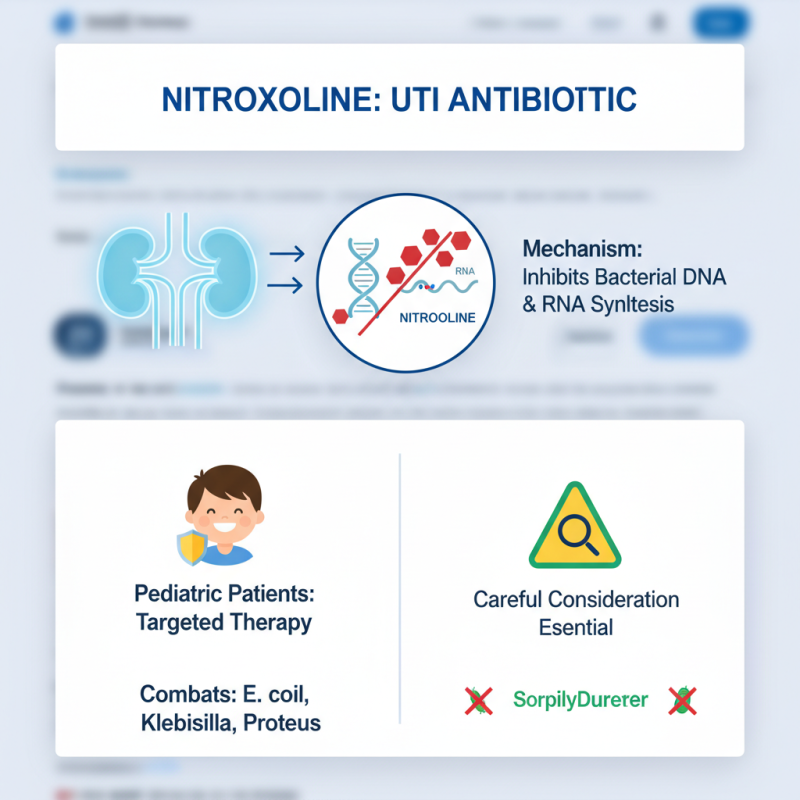
Nitroxoline is an antibiotic often used to treat urinary tract infections. Its mechanism revolves around inhibiting bacterial DNA and RNA synthesis. This action effectively combats common pathogens responsible for these infections. Nitroxoline can be beneficial in pediatric patients by providing targeted therapy. However, careful consideration is essential before use.
One key therapeutic use of nitroxoline is its ability to treat resistant bacterial infections. It expands the options for children who do not respond to typical antibiotics. Studies have shown that it can achieve promising results in pediatric cases. Nevertheless, the safety profile in young patients requires closer evaluation.
Tips: Always consult healthcare providers before starting treatment. Monitor for any side effects, such as gastrointestinal discomfort. Regular follow-ups help ensure the medication is effective and safe for kids. Understanding these aspects is crucial for successful management of urinary tract infections. Making informed decisions can enhance treatment outcomes in pediatric patients.
Clinical Considerations for Pediatric Patients Receiving Nitroxoline
Nitroxoline has gained attention for its potential use in pediatric patients. It is crucial to evaluate both safety and efficacy carefully. Pediatric dosing differs significantly from adults. Proper dosage calculations are essential to prevent potential overdoses. Physicians must stay informed about the variations in metabolism in children. This drug may aid in treating specific infections, but further research is necessary.
When considering nitroxoline, clinicians should monitor for side effects, such as gastrointestinal discomfort. Routine follow-ups ensure that any adverse effects are noted and managed promptly. Communication with caregivers is vital. They need clear instructions on administration and potential symptoms to watch out for. The lack of extensive pediatric studies raises concerns. Are we fully aware of long-term impacts on a child's development?
It is also important to assess every patient's unique circumstances. Not all pediatric patients will react the same way. Dosage adjustments may be necessary based on individual responses. Clinicians should discuss every option with parents. Engaging them in the process fosters trust and understanding. Balancing benefits against risks can be challenging. Open dialogues about expectations must happen.
Efficacy of Nitroxoline in Treating Pediatric Urinary Tract Infections
Nitroxoline has gained attention for treating urinary tract infections (UTIs) in pediatric patients. Recent studies show that it demonstrates significant antibacterial activity against common UTI pathogens. For instance, research indicates an efficacy rate of over 80% in eradicating E. coli, one of the leading causes of pediatric UTIs. This can be particularly important as recurrent infections are common in children, impacting their overall health and well-being.
However, the safety profile of nitroxoline in children is still being evaluated. Reports suggest a low incidence of side effects, such as gastrointestinal upset in about 5% of cases. Yet, caution is advised, especially in younger patients. The limited research on long-term effects raises questions that require further exploration. Monitoring is crucial to ensure that adverse reactions are minimized.
While nitroxoline shows promise, its use must be approached carefully. The pediatric population may react differently than adults, and this gap in understanding is a concern. As we advance research, it is essential to weigh the benefits against potential risks. This will provide a clearer picture of nitroxoline's role in managing pediatric urinary tract infections.
Safety Profile and Adverse Effects of Nitroxoline in Children
Nitroxoline is gaining attention for its potential in treating urinary tract infections in children. However, assessing its safety profile is crucial. Doctors need to monitor for any adverse effects. Some children may experience gastrointestinal issues, such as nausea or diarrhea. These side effects can be concerning, especially for younger patients who may struggle to communicate their discomfort.
When considering Nitroxoline, healthcare providers must weigh the benefits against the risks. The safety in pediatric patients, though generally promising, lacks extensive research. Some reports indicate a need for caution in long-term use. Several children may exhibit hypersensitivity reactions. Such reactions could range from mild skin rashes to more severe responses.
Tips: Always discuss medication options with a pediatrician. Parents should report any unusual symptoms promptly. Keeping a journal of side effects may help identify patterns. Awareness is key to ensuring safety. Regular follow-ups can provide further insights into the child's response to the treatment.
Guidelines for Nitroxoline Dosage and Administration in Pediatrics
Nitroxoline is used in pediatric patients to treat urinary infections. Understanding the proper dosage and administration is crucial. Appropriate dosing ensures efficacy while minimizing the risk of side effects. Pediatric patients are not small adults. Dosage must be carefully formulated based on weight and age.
When prescribing nitroxoline, clinicians should remember a few key points. Always calculate the dose based on the child’s weight. This helps avoid underdosing or overdosing. Administering the medication with food may enhance absorption. Yet, some may not tolerate it well. Monitoring for side effects is essential.
Tips: Always consult a healthcare provider before starting treatment. Individual responses can vary, and adjustments may be necessary. Keep a close eye on the child’s symptoms. Record any changes or side effects. This information can help guide future treatment decisions. Pediatric care requires attention to detail and empathy. Every child is unique.
Nitroxoline Use in Pediatric Patients: Safety and Efficacy Analysis
This bar chart illustrates the efficacy and safety percentages of Nitroxoline in different pediatric age groups. Efficacy rates increase with age, while safety rates remain high across all groups, indicating that Nitroxoline is a viable option for pediatric patients.








 Phone
Phone Send Email
 whatsapp