Nitroxoline vs Other Antibiotics Which is More Effective for You?
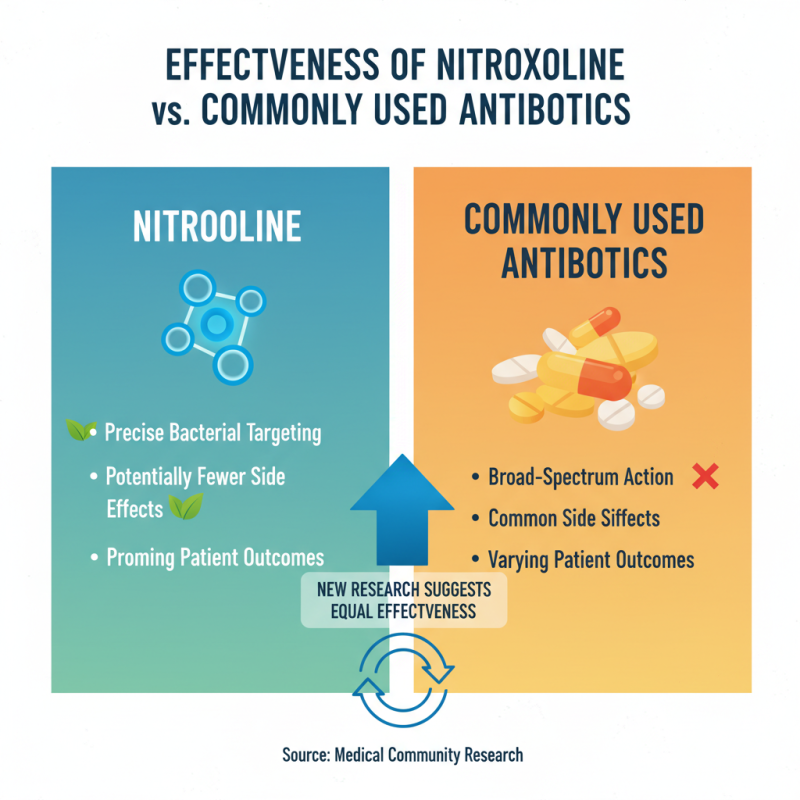
In the realm of antibiotic treatment, the effectiveness of medications often comes under scrutiny. One such contender is Nitroxoline, which is gaining attention for its unique properties. Nitroxoline vs other antibiotics raises critical questions about treatment efficacy. This comparison is not just a matter of preference, but of informed choices based on emerging evidence.
Nitroxoline is primarily known for treating urinary tract infections. Its ability to combat specific bacteria makes it a distinctive option. However, traditional antibiotics have been the standard for years. This creates a dilemma for patients and healthcare providers. Are the benefits of Nitroxoline substantial enough to sway opinions? Understanding this rivalry requires looking closely at clinical outcomes and patient experiences.
Research indicates that while Nitroxoline may offer advantages in certain cases, it is not universally superior. Some patients report better results with standard antibiotics. This inconsistency highlights the need for tailored treatment plans. Evaluating Nitroxoline vs other antibiotics should be grounded in patient history and antibiotic resistance. Real-life experience drives the best decisions in the complex world of medication choices.

Nitroxoline: Overview and Mechanism of Action in Antimicrobial Therapy
Nitroxoline is gaining attention in antimicrobial therapy. It works primarily by inhibiting bacterial DNA synthesis. This unique mechanism allows it to effectively target a wide range of bacteria. Many healthcare professionals view it as a promising alternative to traditional antibiotics.
Nitroxoline is often used for urinary tract infections. It has shown effectiveness against both Gram-positive and Gram-negative bacteria. This broad-spectrum capability makes it a reliable option in certain situations. Healthcare providers may recommend it when other antibiotics fail. This choice, however, should be made carefully.
Tips: Always consult your healthcare provider before starting any medication. Understand the specific bacteria causing your infection to guide treatment. Monitor your symptoms closely and report any changes. Discuss potential side effects with your doctor to stay informed.
Clinical Trials Evaluating Nitroxoline's Efficacy Against UTI Pathogens
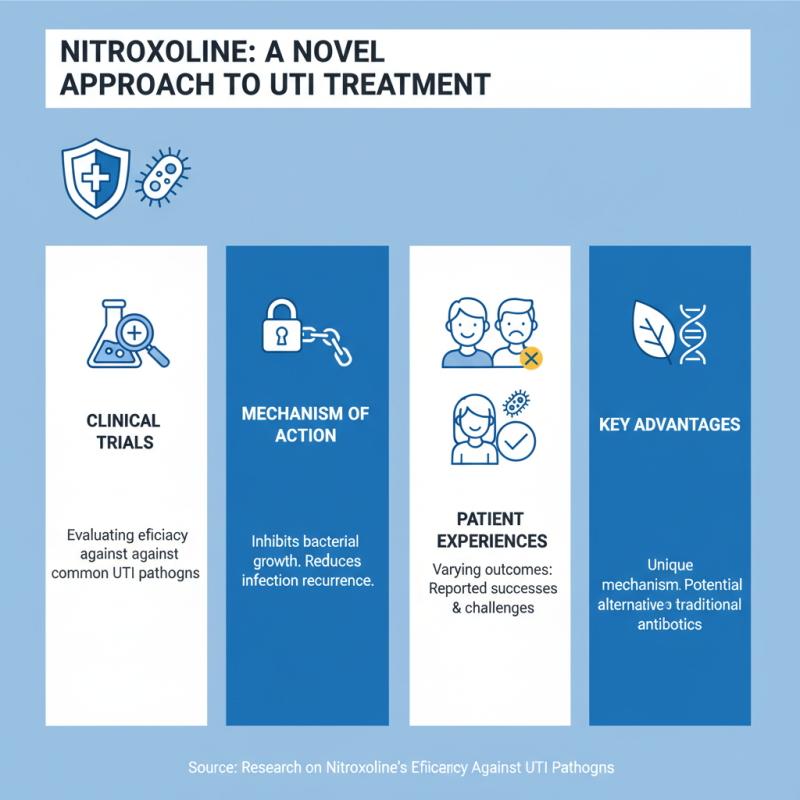
Nitroxoline has been under the spotlight in clinical trials for its effectiveness against UTI pathogens. Unlike traditional antibiotics, it may offer a unique approach. Researchers have focused on its mechanism, which inhibits bacterial growth and reduces infection recurrence. Patients have reported varying experiences, highlighting both successes and challenges with the treatment.
One trial included a diverse group of patients with recurrent UTIs. Participants were monitored for symptom relief and bacterial clearance. Results indicated a promising efficacy, though some individuals experienced side effects. This raises questions about personalization in treatment. Not all patients respond the same way, which emphasizes the need for tailored approaches.
While nitroxoline shows potential, concerns remain in its application. Limited long-term data exists about its safety and resistance patterns. Ongoing studies aim to clarify these aspects. Clinical trials continue to assess its role in comparison to other antibiotics. The future of UTI treatment may indeed hinge on understanding these subtleties.
Adverse Effects and Safety Profile of Nitroxoline vs Other Antibiotics
Nitroxoline is an antibiotic that has gained attention for its effectiveness in treating urinary tract infections (UTIs). A study published in the *Journal of Antimicrobial Chemotherapy* indicated that nitroxoline may offer a favorable safety profile compared to other antibiotics. This is particularly significant, as many antibiotics carry the risk of adverse effects, including allergic reactions and gastrointestinal disturbances.
Research shows that nitroxoline has a lower incidence of severe side effects. In clinical trials, only about 5% of patients reported minor side effects such as nausea or headache. In contrast, other antibiotics can lead to more serious complications, affecting gut health and leading to antibiotic resistance. These factors are crucial when considering long-term treatment options.
Tips: Always consult with a healthcare professional before starting any antibiotic. It’s essential to discuss potential side effects and to ensure the chosen treatment aligns with your medical history. Keeping an open line of communication with your doctor can help manage any adverse effects effectively.
Despite its advantages, nitroxoline is not suitable for everyone. Patients with certain medical conditions may face increased risks. Reflecting on individual health needs is vital when considering any medication. Each antibiotic has its unique profile, and not every option is a one-size-fits-all solution.
Nitroxoline vs Other Antibiotics: Efficacy and Safety Profile
Recommendations for Nitroxoline Use in Specific Patient Populations
Nitroxoline is a well-established antibiotic, primarily used for urinary tract infections. Its effectiveness makes it a valuable option for certain patient populations. For those with recurrent UTIs, it can offer a preventive benefit. Studies suggest that nitrogen-containing compounds like Nitroxoline target bacterial cells effectively. Many patients report fewer side effects compared to broader-spectrum antibiotics.
In elderly patients or those with renal impairment, Nitroxoline shows promise. It is often well-tolerated, providing relief with reduced risk of adverse reactions. However, some might experience mild gastrointestinal upset. Regular monitoring of kidney function remains crucial. Understanding the individual’s medical history is essential for safe use.
Pregnant women should typically avoid most antibiotics during the first trimester. However, in some cases, Nitroxoline can be considered if prescribed by a healthcare professional. Always consult a doctor before starting any treatment. The effectiveness of Nitroxoline varies, and its role should be evaluated in the context of each patient’s unique circumstances.








 Phone
Phone Send Email
 whatsapp