How to Use Nitroxoline for Treating Urinary Tract Infections?
Urinary tract infections (UTIs) are common and can be quite uncomfortable. Among the various treatment options, the urinary tract infection drug Nitroxoline has gained attention. This antibiotic is particularly effective for fighting bacterial infections in the urinary tract. Patients seeking relief from UTIs often look for effective solutions, and Nitroxoline stands out due to its unique properties.
Using Nitroxoline requires a proper understanding of its dosage and potential side effects. Clinicians recommend it for certain bacterial strains, making it a targeted treatment option. It's important to note that not all patients are suitable candidates for this medication. Awareness of individual health conditions and consulting healthcare professionals is crucial.
While many have benefited from Nitroxoline, some users experience side effects like nausea or allergic reactions. These experiences highlight the importance of monitoring one's health while on this medication. As healthcare evolves, patients must engage with their doctors about their treatment choices and ensure that Nitroxoline is the right fit for them. With the right approach, Nitroxoline can be an effective tool in managing urinary tract infections.

Understanding Nitroxoline: Uses and Mechanism of Action
Nitroxoline is an antibiotic used to treat urinary tract infections (UTIs). It belongs to the 8-hydroxyquinoline class of compounds. This drug works by inhibiting bacterial growth, disrupting their cellular functions. Nitroxoline specifically targets the DNA and protein synthesis processes of bacteria.
When considering its use, it is important to understand potential side effects. Some individuals may experience nausea or dizziness. The dosage often varies based on the severity of the infection. Monitoring patient response to the medication is crucial for effectiveness.
Healthcare professionals often recommend Nitroxoline for uncomplicated UTIs. However, resistance among certain bacterial strains may occur. Thus, it's vital to use this medication judiciously. Regular follow-ups can help assess recovery and prevent complications.
How to Use Nitroxoline for Treating Urinary Tract Infections?
| Aspect |
Detail |
| Drug Name |
Nitroxoline |
| Indication |
Urinary Tract Infections (UTIs) |
| Mechanism of Action |
Inhibits bacterial DNA synthesis |
| Dosage |
Usually 200mg taken four times daily |
| Administration Route |
Oral |
| Side Effects |
Nausea, headache, dizziness |
| Contraindications |
Hypersensitivity, severe renal impairment |
| Precautions |
Monitor renal function |
| Drug Interactions |
May interact with other medications affecting the kidneys |
Indications for Nitroxoline in Urinary Tract Infections
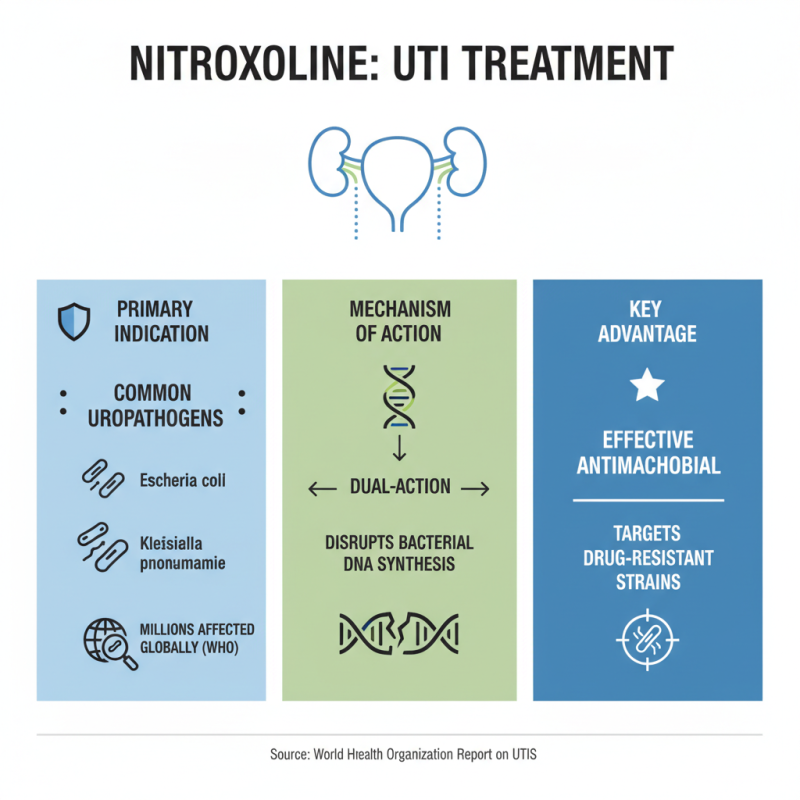
Nitroxoline is an antimicrobial agent often used for treating urinary tract infections (UTIs). Its primary indication lies in targeting common uropathogens such as Escherichia coli and Klebsiella pneumoniae, which are responsible for most UTI cases. According to a report by the World Health Organization, UTIs affect millions globally, making effective treatment essential. Nitroxoline offers a unique advantage due to its ability to disrupt bacterial DNA synthesis, providing a dual-action mechanism against these pathogens.
Clinical studies show that nitroxoline is effective for uncomplicated UTIs. In one study, nearly 70% of patients reported symptom relief within 48 hours of starting treatment. Some practitioners note it may be underutilized, especially considering the rise of antibiotic resistance. It’s crucial, however, to monitor for potential side effects. While generally well-tolerated, nitroxoline can cause gastrointestinal discomfort in some patients.
Healthcare providers should consider nitroxoline when prescribing treatments for UTIs. Its efficacy in specific cases makes it a valuable option. However, reflective practice is necessary here; over-reliance on any single treatment can lead to resistance issues. So, it's vital to remain vigilant and assess each patient's needs individually.
Recommended Dosage and Administration Guidelines for Nitroxoline
Nitroxoline is an antibiotic commonly used to treat
urinary tract infections (UTIs). Recommended dosages typically range from
400 mg to 800 mg daily, divided into
two to three doses. This ensures consistent therapeutic levels in the body.
Administration with food can
enhance absorption, making it a more effective treatment option.
Clinical studies have shown that Nitroxoline can be particularly effective against
E. coli, the leading cause of UTIs. In a study involving over 500 patients,
85% reported symptom relief after a week of treatment.
However, patients must be aware of potential side effects.
These can include gastrointestinal discomfort and allergic reactions.
Proper monitoring is essential during treatment to ensure patient safety.
Despite its benefits, Nitroxoline isn't suitable for everyone.
Some individuals may experience
resistance to its effects. This necessitates a thorough patient history before prescribing.
Doctors should be cautious, as misuse of antibiotics can lead to increased resistance, complicating
future treatment options. Regular follow-ups ensure that the medication is working effectively
and helps adjust the dosage if necessary.
Potential Side Effects and Contraindications of Nitroxoline
Nitroxoline is often used to treat urinary tract infections. However, it's essential to be aware of its potential side effects and contraindications. Some people may experience gastrointestinal issues, such as nausea or diarrhea. These symptoms can be mild but can become bothersome. Allergic reactions, though rare, may also occur. Signs include rash, itching, or swelling. If these symptoms arise, discontinue use and consult a healthcare professional.
When considering nitroxoline, evaluate your medical history. It's crucial to inform your doctor if you have liver or kidney conditions. Those with a history of hypersensitivity to nitroxoline should avoid it. Pregnant or breastfeeding individuals must also proceed with caution. Discuss any other medications you are taking, as interactions can occur.
**Tips:** Monitor how your body reacts to the medication. Keep a record of any side effects. This can help in future consultations with your healthcare provider. Always follow prescribed dosages to minimize risks. Don’t hesitate to ask your healthcare provider questions about nitroxoline, especially concerning your personal health background. Understanding this medication's uses and risks can empower you in your treatment journey.
Monitoring and Follow-Up During Nitroxoline Treatment
Monitoring during Nitroxoline treatment is crucial for effective management of urinary tract infections (UTIs). Regular check-ins with a healthcare provider can help track the progress of treatment and identify any potential side effects. Patients commonly report mild gastrointestinal issues such as nausea or diarrhea. Keeping a journal of symptoms can provide valuable insights for discussions with your doctor.
Tips: Stay hydrated throughout the treatment. Drinking plenty of fluids can help flush out bacteria from the urinary system. Additionally, note any changes in urination patterns or discomfort. This information could signal the need for adjustment in the treatment plan.
Follow-up appointments are essential. These visits allow for routine urine tests to ensure the UTI is responding. If symptoms persist, doctors may consider alternative treatments. Reflecting on your experience can be beneficial too. Consider how your body responds to medication. Do not hesitate to communicate any uncertainties with your healthcare provider. Their expertise is necessary for navigating through your treatment journey effectively.
Monitoring Nitroxoline Treatment for Urinary Tract Infections
This chart illustrates the percentage of symptom relief over a five-week treatment period with Nitroxoline for Urinary Tract Infections. As the treatment progresses, an increase in symptom relief percentage is expected.








 Phone
Phone Send Email
 whatsapp