How to Use Nitroxoline Safely Answers to Common Concerns?
Nitroxoline is gaining attention in the medical field. As an antibiotic, it treats various infections, especially urinary tract infections. However, it raises questions regarding its safety and effectiveness. Many patients search for clarity on this topic. Understanding Nitroxoline FAQs and common concerns can help ease anxieties.
Side effects vary from mild to severe. Some report nausea or headaches. Others worry about its interaction with medications. These concerns are valid and deserve attention. It's crucial to address safety precautions when using Nitroxoline. Knowledge empowers patients to make informed decisions.
Amid uncertainties, open dialogue is essential. Discussing experiences can offer valuable insights. Patients might find comfort in hearing from others. As we explore these insights, keep an open mind. Recognizing potential risks is part of responsible medication use.
What is Nitroxoline and Its Medical Uses?
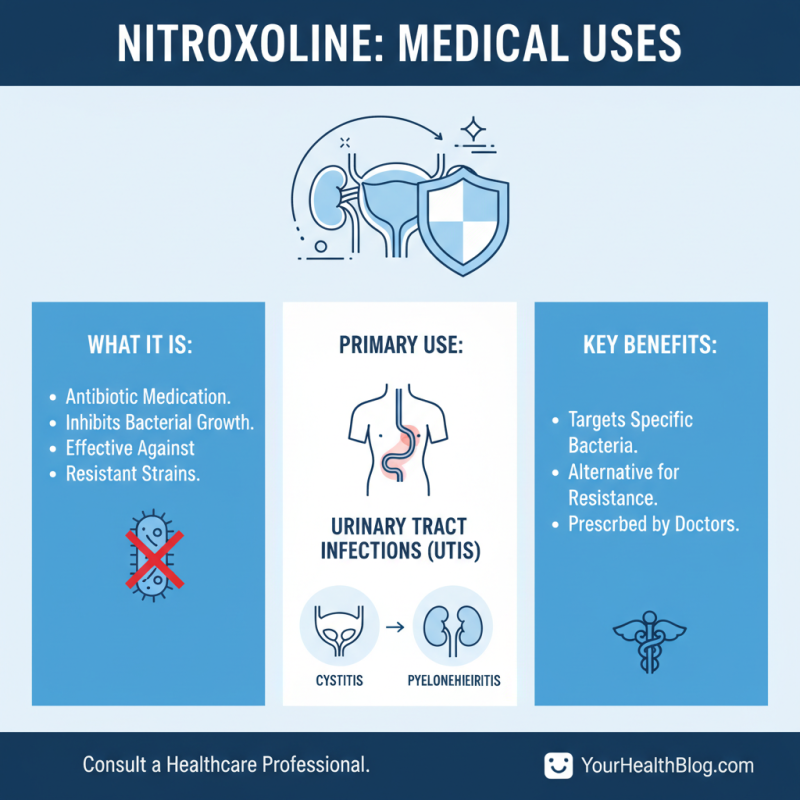
Nitroxoline is an antibiotic used primarily to treat urinary tract infections. It works by inhibiting the growth of bacteria. This medication is particularly effective against certain strains that are resistant to other treatments. Doctors may prescribe it for conditions like cystitis or pyelonephritis.
When using nitroxoline, it’s vital to follow your healthcare provider's instructions closely. Take the medication with food to minimize stomach upset. Drink plenty of water to help flush the bacteria from your system.
**Tip:** Always complete the full course of antibiotics, even if symptoms improve. Not doing so can lead to reinfection or resistance.
Some people may experience side effects like nausea or diarrhea. If these are severe, contact your doctor. Remember, everyone's reaction to medication can differ.
**Tip:** Keep a record of any side effects. This information can aid your medical professional in making informed decisions about your treatment. Nitroxoline can interact with other drugs, so share your complete medication list with your doctor.
Being aware of potential interactions is crucial. If you're unsure about using nitroxoline or its effects, don’t hesitate to ask questions. Knowledge is key to safe and effective treatment.
Understanding the Mechanism of Action of Nitroxoline
Nitroxoline is an antibiotic that targets bacterial infections. It works primarily by inhibiting bacterial growth. By interfering with the production of essential bacterial enzymes, it disrupts their metabolic processes. This mechanism allows the body’s immune system to act more effectively against infections.
Interestingly, nitroxoline is effective against many gram-negative and some gram-positive bacteria. Its ability to chelate metal ions may also play a role. This property limits bacterial activity by binding essential metals, thus hindering their survival. While nitroxoline can be effective, not everyone may respond the same way. Some may experience side effects like nausea or dizziness. It’s crucial to monitor how you feel during treatment.
Patients should also consider interactions with other medications. The risk of side effects may increase when taking multiple drugs. It’s a delicate balance to achieve effective treatment while minimizing risks. Understanding how nitroxoline works can help in making informed decisions about its use in managing infections. Always consult a healthcare professional for personalized advice.
Recommended Dosage and Administration Guidelines for Nitroxoline
Nitroxoline is an antibiotic used primarily to treat urinary tract infections. When considering its use, understanding the recommended dosage is crucial. For adults, the typical dosage usually falls between 300 mg and 600 mg per day. This amount is often divided into smaller doses taken throughout the day. Patients must follow their healthcare provider's recommendations closely.
Administration guidelines suggest taking nitroxoline with food to enhance absorption. This can help reduce stomach discomfort. It's essential to maintain a consistent routine—taking doses at the same times daily. Drinking plenty of water is also advised during treatment. This helps flush out toxins and supports kidney function.
There are some important considerations. Some patients may experience side effects like nausea or headache. It's not uncommon for people to overlook these symptoms. However, listening to your body is vital. If symptoms persist, contacting a healthcare professional is essential. Understanding these guidelines can help ensure safe use while minimizing risks.
Potential Side Effects and Interactions of Nitroxoline
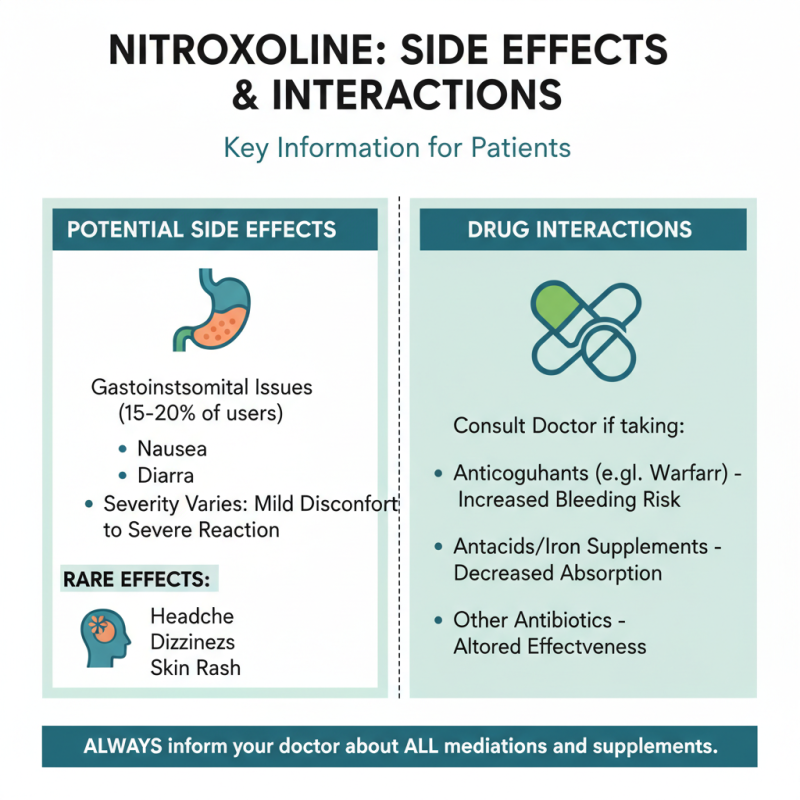
Nitroxoline is an antibiotic often used to treat urinary tract infections. However, it’s important to be aware of its potential side effects and interactions. Research indicates that around 15-20% of users may experience gastrointestinal issues, such as nausea or diarrhea. These side effects can vary in intensity. Some individuals report mild discomfort, while others face more severe reactions.
In addition to gastrointestinal symptoms, Nitroxoline can affect individuals differently based on their overall health. Patients with pre-existing liver conditions may notice more pronounced side effects. A study published in the Journal of Medical Microbiology found that complications can arise when Nitroxoline is taken with certain medications. Combining it with anti-inflammatory drugs could increase the risk of kidney damage.
It is crucial to consult a healthcare professional before starting Nitroxoline. Individual health conditions and other medications must be carefully considered. Some users may overlook these factors, leading to unforeseen reactions. Always prioritize safety by discussing your medical history with a doctor. Understanding the implications of Nitroxoline can lead to better health outcomes.
Safety Precautions When Using Nitroxoline for Treatment
When using Nitroxoline, safety is crucial. This medication can treat urinary tract infections effectively. However, understanding how to use it safely is essential for optimal results. Start by consulting a healthcare provider. They can provide tailored advice based on your health history.
Be mindful of potential side effects. Nausea and headaches are common, but they can be concerning. If symptoms worsen, seek medical help immediately. Always pay attention to your body’s reactions. By being vigilant, you can avoid unnecessary complications.
Ensure you follow the recommended dosage precisely. Taking more than prescribed does not guarantee faster healing. In contrast, it may lead to increased risk of side effects. Regular check-ups can help monitor your progress. Reach out if you notice anything unusual. It’s important to engage in an open dialogue about your treatment.









 Phone
Phone Send Email
 whatsapp