
Leave Your Message

China Best Nitroxoline Storage Instructions for Buyers?

For buyers evaluating China-sourced nitroxoline, dependable storage guidance is part of product quality—not a detail to leave until the shipment arrives. Nitroxoline Storage Instructions should match the specific product’s label and supporting technical documents. Ask the supplier for the recommended temperature range, humidity limits, light protection, packaging details, and any handling requirements. Check that the instructions apply to the exact grade and formulation being purchased.

A small detail matters. A sealed container can still be exposed to heat during transit or left near a sunny warehouse window. Request clear packaging photographs and written storage guidance before placing an order. Compare those details with the product documents, and ask the supplier to explain any mismatch. Do not assume that refrigeration is required—or that ordinary room conditions are suitable—without product-specific direction.

A quotation from a named Nitroxoline storage specialist cannot be reliably verified here, so inventing one would mislead buyers. The practical principle is straightforward: “Follow the product-specific storage instructions, and confirm them before shipment.” Treat this as general editorial guidance, not a quotation attributed to an individual expert. It is also worth admitting that supplier paperwork may not reveal every storage condition during transport. Buyers should request clarification, retain the written response, and review the instructions when the goods arrive. Clear records help; they do not replace careful verification.

China Best Nitroxoline Storage Instructions for Buyers?

Understanding Nitroxoline and Its Storage Requirements

Nitroxoline is a medicine, so its storage needs depend on the specific product and formulation. Buyers should read the package leaflet and label rather than assume every pack has identical requirements. Keep it in its original, closed container. This helps protect the medicine and keeps its name and expiry information available. Keep it dry. A bathroom cabinet may seem convenient, but steam and changing temperatures can make it a poor choice.

Store the pack in a cool, dry place away from direct sunlight, unless its instructions specify otherwise. Do not refrigerate or freeze it unless the label or a pharmacist says to. Keep it out of children’s reach, ideally in a secure cupboard. Check the expiry date before use, and ask a pharmacist what to do if tablets look damaged or the packaging is damp. Small details matter. It is easy to overlook a warm windowsill or a loose lid. If the storage directions are unclear, confirm them with a pharmacist before relying on a general online recommendation.

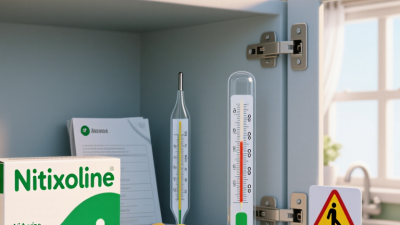
Reviewing Storage Instructions from Chinese Manufacturers

When reviewing nitroxoline storage instructions from Chinese manufacturers, buyers should compare the product label, specification sheet, and safety data sheet. These documents may describe different materials or packaging stages. Confirm whether the instructions apply to the finished product or a supplied material. Small distinction. Record the stated temperature range, humidity limits, light protection, and required container condition before shipment.

Do not assume one universal storage temperature. The International Council for Harmonisation’s ICH Q1A(R2) stability guideline uses accelerated testing at 40°C ± 2°C and 75% ± 5% relative humidity for six months. These are testing conditions, not recommended warehouse settings. Ask the manufacturer for product-specific stability evidence and written handling instructions. A vague phrase such as “store in a cool, dry place” needs clarification.

Check that packaging stays sealed, dry, and free from visible damage. For a practical review, compare supplier instructions with the transport plan and destination climate. A hot loading bay can matter, even when the warehouse is controlled. Keep temperature records during storage, and document any excursion for technical review. I would not treat a translated sheet as definitive without confirming ambiguous terms against the original document.

China Best Nitroxoline Storage Instructions for Buyers? - Reviewing Storage Instructions from Chinese Manufacturers
Storage Dimension Practical Guidance for Nitroxoline Buyers What to Verify in Supplier Documents
Product identity Nitroxoline is also known as 5-nitro-8-hydroxyquinoline. Confirm the material identity before applying storage instructions. Check that the product name, CAS number (4008-48-4), grade, and batch details agree across the label, specification, and certificate of analysis.
Temperature Use the storage temperature stated on the product label and current supplier documentation. Do not assume that one temperature range applies to every grade or package. Request a specific temperature range and ask whether temperature excursions require quarantine or a stability assessment.
Light exposure Keep the material in its original closed packaging and follow any light-protection instructions supplied for the product. Check whether light-resistant packaging or additional protection is required, and whether the label specifies protection from light.
Moisture and humidity Keep containers closed when not in use and store them in a dry location. Avoid unnecessary exposure to humid air during sampling or dispensing. Confirm any humidity limits, desiccant requirements, or moisture-related handling precautions in the product documentation.
Container closure Keep the original container tightly closed between uses. Use a suitable, clearly labeled container if repackaging is authorized by the buyer’s procedures. Check the packaging type, closure integrity, tamper evidence, and whether the supplier specifies special packaging for storage.
Storage area Use a clean, dry, well-organized area with controlled access. Follow the applicable safety data sheet and site procedures for chemical storage. Review the current safety data sheet for handling, incompatibility, and storage precautions; do not rely on an online listing in place of the supplied SDS.
Segregation and handling Prevent mix-ups and cross-contamination by keeping the product identified and following the site’s chemical segregation rules. Verify any specific incompatibility or segregation statements in the SDS and confirm that storage practices match the intended grade and use.
After opening Record the opening date where required, minimize the time the container remains open, and reseal it promptly after dispensing. Ask whether the supplier provides an in-use period or special instructions after opening. Do not create an unsupported in-use expiry date.
Shelf life and retest date Use the expiry or retest date stated on the batch-specific documentation and packaging. Storage conditions alone do not establish shelf life. Request the applicable shelf-life or retest period, its start date, and any conditions required to maintain the stated period.
Transport and receipt On receipt, inspect the packaging and labels and record any damage or suspected exposure to unsuitable conditions before releasing the material for use. Confirm any transport temperature or light-protection requirements and obtain handling instructions for documented shipping deviations.
Buyer document check Treat supplier-specific label instructions, the current SDS, and batch documentation as the controlling references. The guidance in this table is a procurement checklist, not a substitute for those documents. Before purchase, request the current SDS, product specification, batch certificate, packaging details, and written clarification of any conflicting storage statements.

Controlling Temperature, Light, and Humidity

China Best Nitroxoline Storage Instructions for Buyers?

Controlling Temperature, Light, and Humidity

Buyers should check the product leaflet for its exact storage requirements. Do not assume every nitroxoline product has identical instructions. Keep it within the stated temperature range, away from radiators, sunny windows, and hot vehicles. A cool, stable cupboard is often more suitable than a shelf beside an oven.

Light matters. Keep the medicine in its original, closed packaging unless a pharmacist advises otherwise. The box and blister pack help limit exposure and preserve product information. Avoid leaving packs on a bright countertop. Small habits count.

Humidity can be easy to overlook. A bathroom cabinet may seem convenient, but showers create warm, damp air. Choose a dry location instead, away from sinks and steam. Check that the packaging is sealed and undamaged when it arrives. If it looks wet, torn, or unusually warm, ask a pharmacist before using it. I would not guess whether poor storage has affected a product; that judgment needs reliable, product-specific advice.

Protecting Packaging During Storage and Transport

China Best Nitroxoline Storage Instructions for Buyers?
Protecting Packaging During Storage and Transport

Nitroxoline packaging needs protection from moisture, heat, light, and rough handling. Keep containers sealed in their original packaging, and follow the product label and supplier’s storage specification. A dry warehouse can still have damp corners. Store cartons on clean pallets, away from walls, floors, direct sunlight, and leaking pipes. Keep lot numbers and labels visible for traceability.

ICH Q1A(R2) uses 25°C/60% relative humidity for long-term stability testing and 40°C/75% for accelerated testing. These are study conditions, not automatic storage limits for every nitroxoline product. Buyers should confirm the actual limits with the supplier and check temperature records when specified. WHO’s good storage and distribution guidance also stresses suitable premises, documented handling, and protection from damage. Inspect cartons on receipt for crushed edges, water marks, broken seals, or unreadable labels. One weak point is often the outer carton: it may look intact while an inner seal has shifted.

Tips: Use sturdy, appropriately sized cartons and secure them against movement. Avoid placing heavy goods on top. Keep packages dry during loading, and use temperature monitoring when the product specification requires it. Record damage before accepting delivery. That small step is easy to miss.

Checking Shelf Life and Storage Records

For nitroxoline, shelf life should be verified against the batch documents, not inferred from a general storage rule. Check the certificate of analysis, manufacturing date, expiry or retest date, and the stated storage conditions. Confirm that the batch number matches across the certificate, package labels, and shipping records. Small mismatches matter.

Ask for storage records covering the full period from manufacture to dispatch. Temperature logs should identify monitoring dates, equipment, and any excursions; a single “stored correctly” statement offers little evidence. Check whether records show exposure to heat, moisture, or direct light, and ask how deviations were assessed. Requirements can vary by product form and specification, so follow the supplier’s approved documentation rather than assuming one universal temperature range. Keep that distinction clear.

A practical review might compare a dated warehouse log with the shipping log and the receiving inspection. Note damaged seals, damp cartons, or labels that are difficult to read. If a temperature gap appears, request a documented assessment before accepting the material. Retest dates do not automatically extend an expiry date. Records can look complete and still leave gaps; I would flag uncertainty instead of filling it with guesswork. Store the reviewed documents with the batch file for later traceability.